Blogs
-
03 Apr, 2026
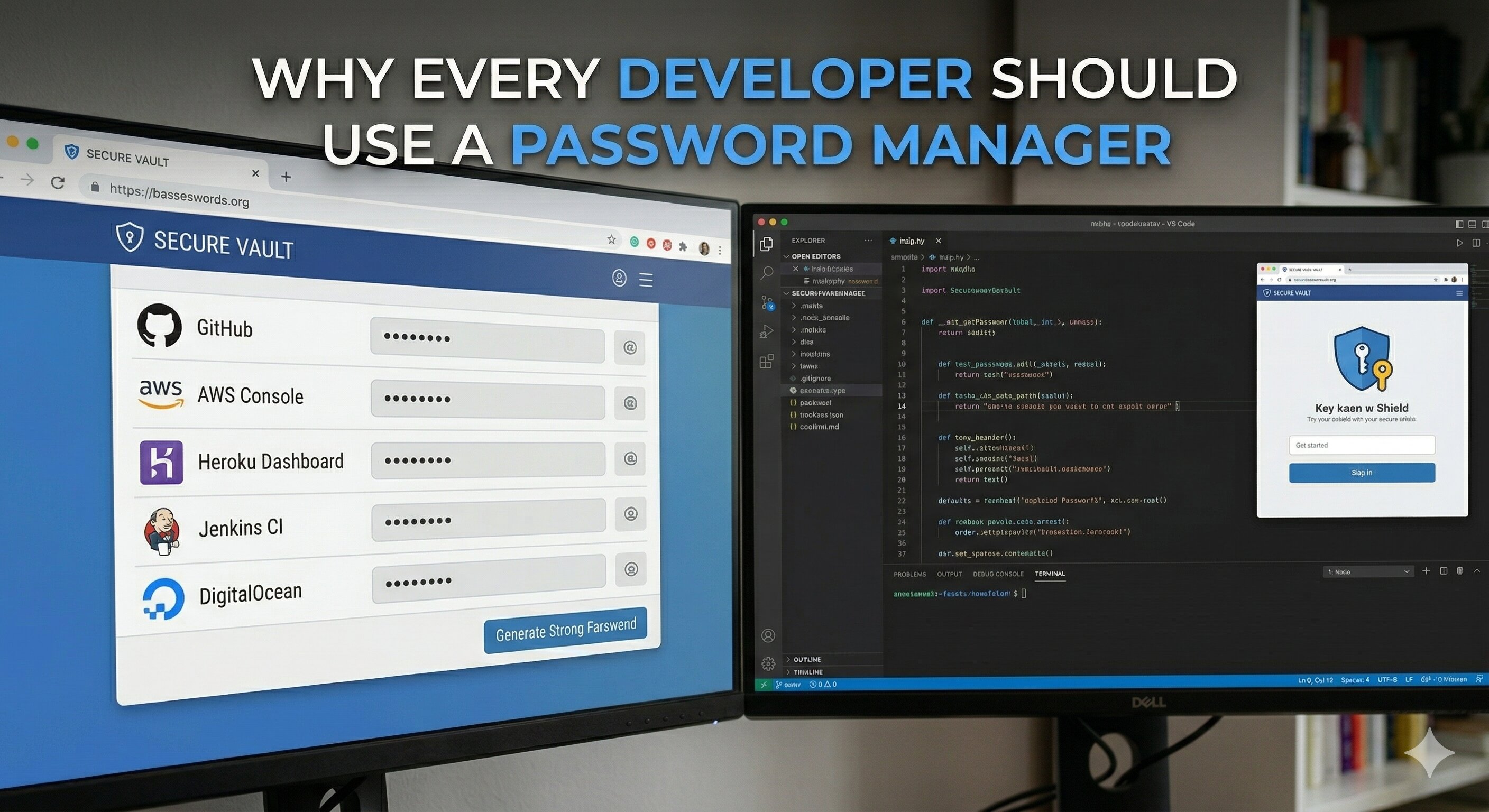
Why Every Developer (and Internet User) Should Use a Password Manager!
In today’s digital world, passwords are the keys to nearly every aspect of our lives. Email, banking, cloud services, social media, work tools, and developer platforms all rely on authentication to keep accounts secure. The average person manages dozens of online accounts, while developers and IT professionals often manage hundreds.
-
17 Mar, 2026
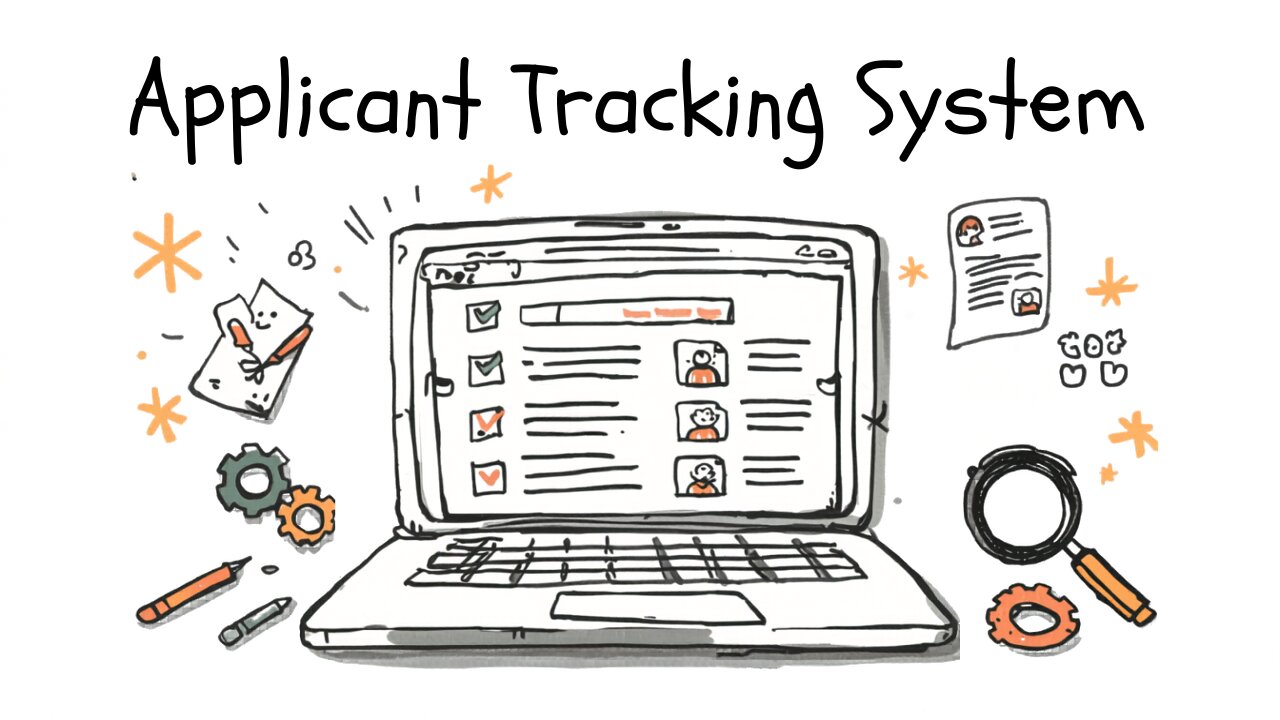
Your Resume Might Not Even Be Seen by a Human!
What is ATS? Before a recruiter sees your resume, it usually goes through something called an ATS (Applicant Tracking System). It checks your resume for keywords, skills, and structure. If it doesn’t understand your resume properly, it may reject it automatically.
-

25 Feb, 2026
The Rise of Serverless: Building Scalable Applications Without Managing Servers:
In recent years, serverless computing has transformed how developers build and deploy applications. Despite the name, serverless doesn’t mean there are no servers, it simply means developers no longer have to manage them. Cloud providers handle infrastructure, scaling, and maintenance, allowing developers to focus purely on writing code. This shift is especially important in today’s fast-paced development environments, where speed, scalability, and cost-efficiency are critical.
-

10 Feb, 2026
Your Website Is Doing More Than You Think, Or It Should be!
There's a conversation happening in boardrooms, startup garages, and agency offices right now. It goes something like this: "We need to get our AI strategy sorted."
-
20 Jan, 2026
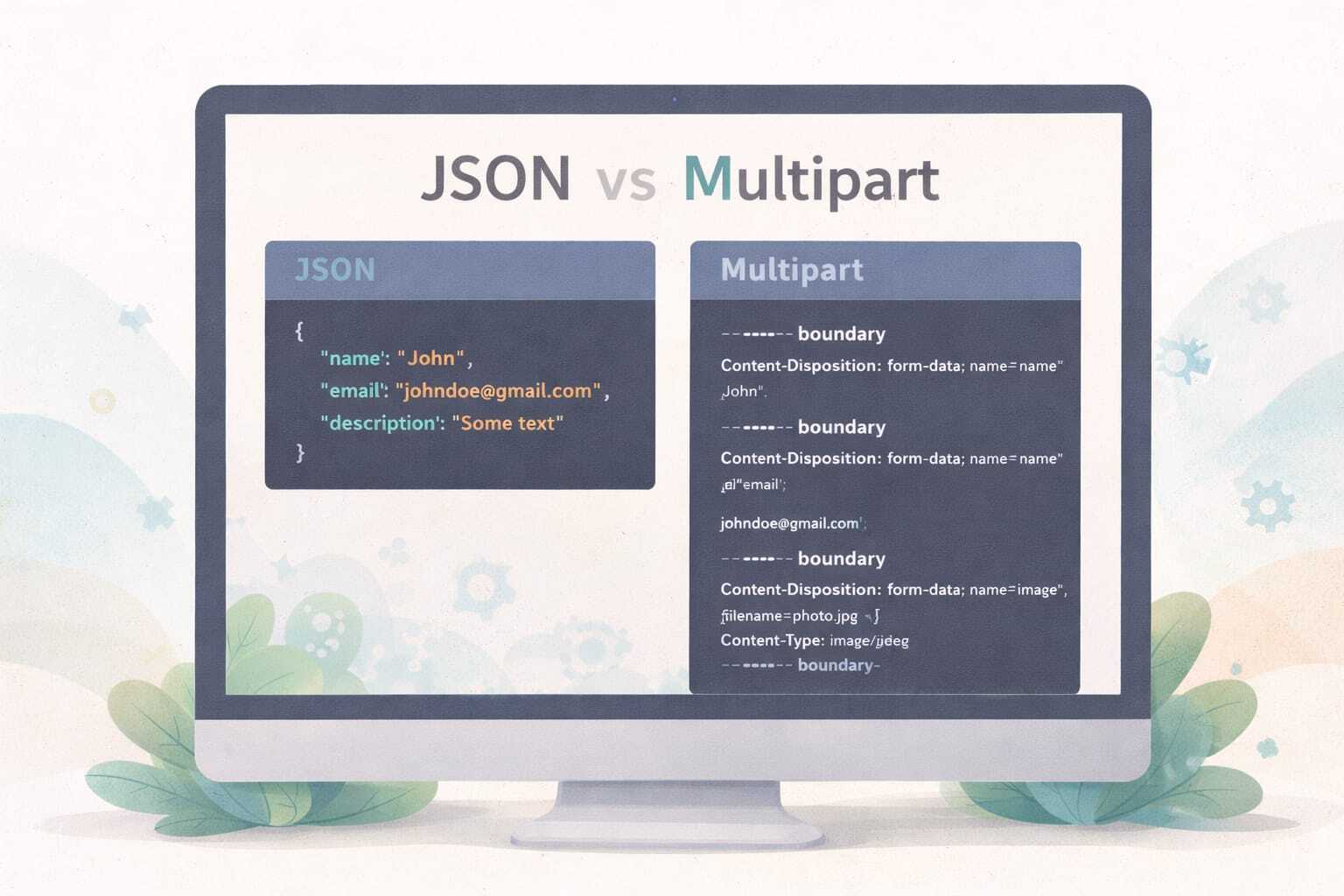
Understanding multipart/form-data: How to Send Files and Text in a Single Request
There’s a concept every backend developer eventually runs into when dealing with forms that go beyond simple text. It usually sounds like this: “How do I send both text and files in the same request?” <br /> The answer lies in something called <strong>multipart/form-data</strong>, and understanding it properly can save you hours of confusion when building real-world applications.